Things we don’t talk about
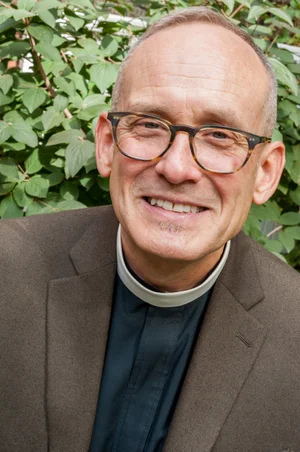
Sermon by Pr. Craig Mueller on Ash Wednesday + Wednesday, February 18, 2026
From an anonymous poet:
A clap for things we don’t talk about.
Things we can’t share for being judged.
For the wrong we have done in secret,
The wrong that has been done to us,
For things we have seen and can’t share,
The trauma that nobody knows about,
The constant pain we feel,
An applaud to everything in between.
There are things we don’t talk about. For some it is money, sex, politics, religion. For others it may be their mental health, abuse or grief.
One thing we don’t talk much about these days is sin. It seems to have gone out of fashion. Some Christians were pummeled with hellfire and judgement as kids and have had enough of sin, so to speak.
Yet we can’t get away from sin on Ash Wednesday. My sin is ever before me, we chant from psalm 51. And this day we use the longest, most complete confession of sin of the entire year. It’s quite a long list of the serious shortcomings and failures of the human race. Not just my sin, but our sin. What we have done and what we have left undone. We plead for mercy. For us and for our world. Return to the Lord with all your heart. For now is the acceptable time, the day of salvation.
Our liturgy today keeps us honest. We are all complicit. In the well-known words of Saint Paul, “all have sinned and fall short of the glory of God.”
In our urban context, we don’t talk about going to church, let alone brag about it. So it may be hard to relate to Jesus’ warning in our gospel about practicing our faith in order to be seen by others. We’d rather not get the strange looks!
Jesus assumes that we pray, fast, give alms. And these are the primary spiritual practices not only of Christianity but of Islam and Judaism.
However, to Jesus our motives matter. To brag about them or to do them to be seen by others is hypocritical. Lent invites us to align our exterior practices with our interior faith. Which leads to a question we don’t talk enough about: what is the deepest treasure in your life?
Things we don’t talk about. It’s the thing we say for certain but avoid thinking about. We are mortal. We will die. Ash Wednesday, though, won’t allow us to live in denial. You are dust and to dust you shall return.
Often it is art and literature, novels and movies that present us with themes of death and dying. The Life of Chuck is a sweet, sad adaptation of a novella by Stephen King. It may not be for everyone, but I found it moving. The movie centers around Charlie Krantz, who faces death at age 39. The film centers around the question: does our life matter if everything eventually ends? By focusing on moments of joy and connection, the answer is a resounding yes. At the center of the movie is an emotional and surprising dance scene that is reason alone to see it.
To my surprise, in January there was entire special section of the New York Times entitled “Let’s Talk About Death.” The editors asked readers to submit their queries about death. The special supplement covers everything: bereavement, end-of-life decisions, how the body breaks down in death, the afterlife, how to write an obituary, burial and cremation and human composting. Even how to talk to children about death. One article acknowledges that death is hard to talk about and then there is this quote. “Humans are hard-wired to fear their own mortality. When death looms, it may feel callous or defeatist—wrong, even—to acknowledge it. So often, we don’t.”
There are people, though, talking about death. Death cafes are springing up all over the world. Strangers get together to drink tea, eat cake, and discuss death. The goal is to help people make the most of their finite lives. It may sound weird. Yet folks soon relax, laugh, and connect. It’s simple. People who participate say that by talking about what many avoid a door is open to deeper living.
Sounds to me like spirituality. Or even church. Maybe our eucharists are a kind of death café. We hear stories of death and resurrection. We keep in mind endings and beginnings. And we share bread and wine.
Ash Wednesday keeps us honest. A reality check. Keep death always before your eyes, Saint Benedict writes. For Buddhists, it is impermanence—the ultimate, inescapable, painful part of life. Nothing lasts forever. Even change that is good is tinged with loss. It calls to mind a verse I love from the psalms: “teach us to number our days so that we may gain a heart of wisdom.”
The great paradox. When we acknowledge—when we talk about— limitations, mortality, impermanence, our hearts expand. And we begin to live more fully. Where your heart is, there your treasure will be.
Spiritual writer Henri Nouwen calls the hope of Ash Wednesday—a “transcendent realism.” Rather than being morbid, by confronting our mortality, the most important questions of our lives get a hearing. The ones we don’t often talk about. We need more than headlines and online posts. We need deep, resonant, defiant hope. The journey, with Christ, from death to resurrection.
Welcome to Lent.