Redefining life
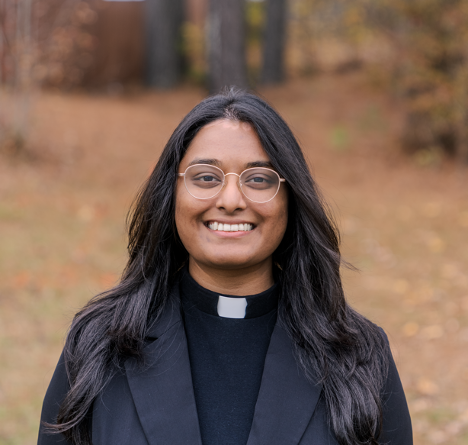
Sermon by Pr. Sharai Jacob on the Fifth Sunday in Lent + Saturday, March 21, 2026
Before we get to the miracle in today’s gospel, we need to sit for a moment with Mary and Martha.
Because what they say to Jesus is honest in a way that might make us a little uncomfortable or might be uncomfortably relatable.
“Lord, if you had been here, my brother would not have died.”
It’s both a statement of faith and an expression of grief. Mary and Martha are open with Jesus, sharing their frustration and disappointment.
“Jesus, where were you?”
“Why didn’t you come sooner?”
“You could have done something.”
Both sisters say it. Even the community of grievers give voice to the same aching question: why did this have to happen?
Many of us have been like Mary and Martha, standing at hospital bedsides and waiting for news that doesn’t come fast enough. Praying for healing that doesn’t arrive, or maybe not in the way we hoped. Wondering why God feels late… or silent… or absent.
“Lord, if you had been here…”
This story doesn’t rush past those feelings. Jesus doesn’t correct them. He doesn’t dismiss their grief or offer well meaning platitudes. Instead, he enters into it. He listens. He weeps.
And it’s right there—in that place of sorrow, frustration, and deep love—that Jesus begins to reveal a different kind of resurrection.
The hard truth at the center of today’s gospel is that death is part of life.
That may not sound like good news—especially in a story that includes one of Jesus’ most dramatic miracles. But it matters that even while Jesus walked the earth, even while he loved deeply and healed powerfully, death still came for the people he loved, and even for Jesus himself. Lazarus dies. Jesus knows it’s coming. And still—he lets it happen.
Faith in Christ is not about avoiding death. It is not about pretending death isn’t real, or that grief can be skipped over. Jesus himself stands at the tomb of his friend and weeps. The Son of God, who knows resurrection is coming, still mourns.
Our faith allows us to face the realities of death with all of its pain, and it allows us to experience the joys of life. Jesus walks with us through all of it.
Jesus says to Martha, “I am the resurrection and the life. Those who believe in me, even though they die, will live.” Not “might” live. Not “will live someday far away.” Will live.
So, what does that mean?
Because when Jesus raises Lazarus, it’s not as though Lazarus is now immune to death forever. This is not the final resurrection. Lazarus will die again one day. His body is still mortal.
So why does Jesus do it?
He does it to prepare the community—for what is coming next. For his own death. For his own resurrection. For the kind of life that cannot be taken away.
This miracle is not about denying death. It’s about redefining life.
Martha already believes in resurrection. When Jesus tells her that her brother will rise again, she says, “I know that he will rise again in the resurrection on the last day.” She already has faith in life beyond death. She already trusts that God’s promises extend past the grave.
But Jesus shifts resurrection from something distant, to something present.
“I am the resurrection and the life,” he says. Not “I will be.” I am.
In other words, resurrection is not just about what happens after we die. It’s about what happens while we live.
It’s about new life—right now.
The kind of life Jesus talked about when he met the Samaritan woman at the well. Living water. A spring welling up to eternal life—not someday, but already flowing.
And that brings us back to Lazarus.
When Lazarus comes out of the tomb, he is alive—but he is not yet free. He is still wrapped in burial cloths. Still bound. Still carrying the signs of death with him.
And that might be another relatable moment in this story.
Because like Lazarus, we have been called out of death into life. In baptism, we have already died and risen with Christ. We have already been given new life.
And yet—we still carry the wrappings of our old lives.
Fear. Shame. Grief. Hate. The wounds that bind us.
We may step out of the tomb… but we are not yet fully unbound.
And here’s where the story takes a surprising turn. Jesus does not remove the burial cloths himself.
He turns to the community and says, “Unbind him, and let him go.”
In other words, resurrection is not a solo experience.
New life in Christ is something we live into together.
We are called to help one another shed the things that bind us. To speak forgiveness where there is guilt. To offer presence where there is loneliness. To bring hope where there is despair.
We are called to be a community that participates in resurrection.
That means sitting with one another in grief, like Jesus does. It means remembering together that death does not have the final word. And it means actively helping one another live into the freedom that Christ has already given.
Because the promise is not just that we will live after we die—though that promise is real and sure.
The promise is that we are already being made alive.
Even in the presence of death, in the midst of grief.
Even wrapped in the remnants of what once bound us.
Jesus stands at the tombs in our lives and calls to us, “Come out.”
And then he gathers us into a community and calls us to help each other live.
Amen.